
Whether you're building new, remodeling, or finally upgrading that old unit — we handle the full installation. We'll help you choose the right water heater for your home and get it set up properly so it runs right from day one. A new water heater should be sized to the home and the plumbing it connects to, not swapped like for like. Getting the water heater installation right the first time is cheaper than correcting it later. A swap, an upsize and a relocation are three different jobs with three different price tags.
Call or Text (980) 319-1201Tell Us What You Need
Thank You!
We'll get back to you shortly. For immediate help, call (980) 319-1201.
Installation isn't just for new homes. There are a few common situations where Charlotte homeowners reach out to Daniel's Water Heater Repair for a brand new install:
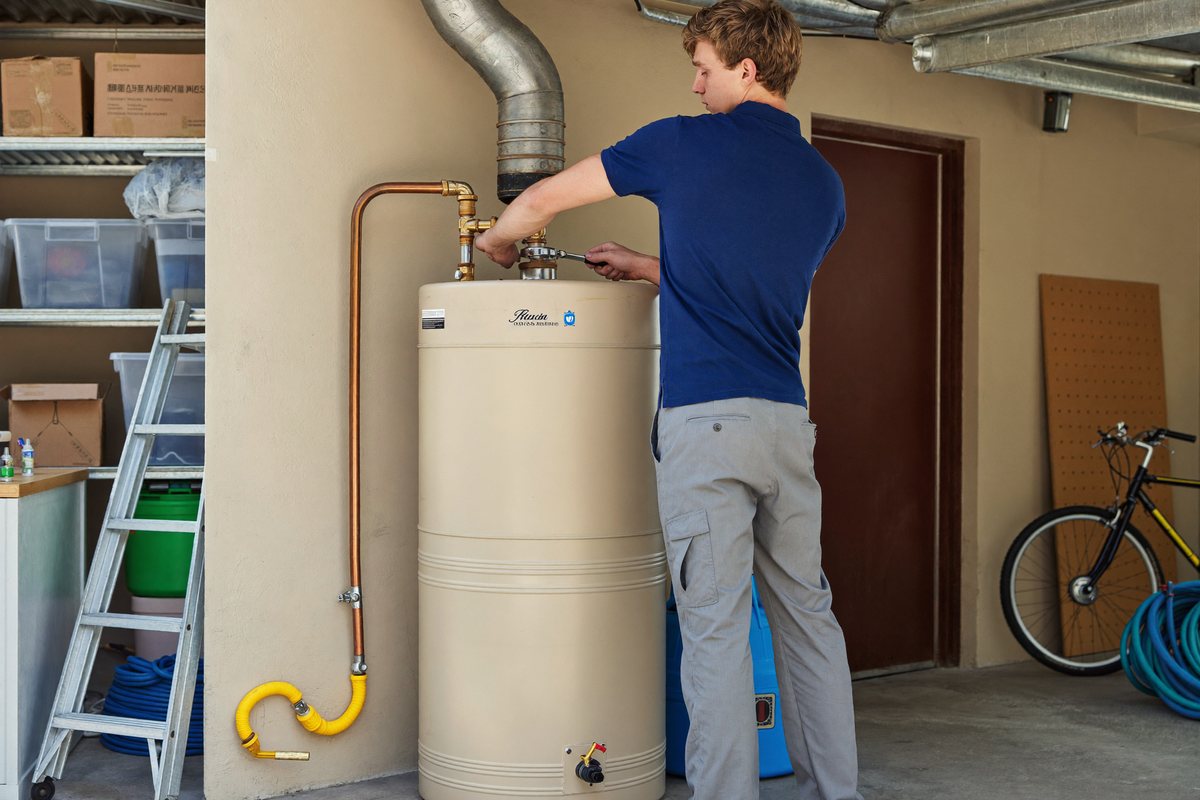
Call or text us and let us know what you're working with — new build, upgrade, or swap. We'll ask a few questions about your home, household size, and what you're looking for. Knowing where the old tank sits and how the water lines run tells us most of what we need before we arrive. Most homes keep the water heater in a garage, a closet, or a crawl space, and each one changes the plumbing run. A tight closet can add an hour to the water heater installation on its own. We would rather know that before we quote the water heater than after.
Gas or electric? Tank or tankless? 40 or 50 gallon? We'll walk you through the options based on your actual needs — not a sales pitch. We work with all major brands and recommend what makes sense for your home and budget. A gas water heater recovers faster than electric, so it can run a smaller tank. We size either one from your real hot water demand. A 40-gallon gas unit often keeps up with a house that would need 50 gallons on electric.
Before we start any work, you know exactly what it's going to cost. Unit, labor, any modifications needed — all included. No surprises at the end. That price covers the drain pan, the discharge pipe, and any valve work the code calls for. If the water heater needs a new drain pan or a longer discharge pipe, that is in the quote too.
We handle the plumbing connections, gas or electrical hookup, and make sure everything meets current code. If there's an old unit to remove, we take it with us. That includes the water lines, the shutoff valve, and the relief pipe that carries hot water safely down to the floor. Every water heater we put in gets a proper relief valve and a tested shutoff.
We check for leaks, verify the temperature, and make sure you've got reliable hot water before we leave. We also walk you through anything you need to know about your new unit. We show you the shutoff and how to drain the tank once a year, which is most of what a water heater ever needs. Sediment sitting in the tank shortens a water heater faster than anything else. Draining a few gallons a year clears it. Ten minutes of that keeps a water heater working for years longer. It is the one bit of upkeep a water heater actually asks for.
Every home is different. Here's a quick look at the options we offer and what each one is best for:
The most common choice for Charlotte homes with a gas line. Affordable upfront, reliable, and straightforward to install. Great for most households. A gas tank water heater needs proper venting and a drain pan if it sits anywhere a leak would do damage. Gas models heat water quicker, which matters in a home running two bathrooms at once. A bigger tank buys the same result when recovery is slower. Either fuel heats water fine once the unit is sized properly.
The go-to for homes without gas. Simpler installation, no venting required. Monthly operating cost is a bit higher than gas, but still a solid option for many homeowners. An electric water heater has no venting to run, so the plumbing is simpler and the install is usually quicker. It also fits where no gas line runs, which covers a lot of older homes. No venting means fewer things to go wrong later. It is the simplest water heater to live with. Nothing to vent and nothing to draft-test. That is one less thing to go wrong on an electric water heater.
Heats water on demand so you never run out. Takes up less space, lasts longer, and uses less energy. A popular upgrade especially in newer Charlotte neighborhoods like Ballantyne and Lake Norman. A tankless water heater needs a larger gas line and different venting, so it is a bigger job than a straight tank swap. Done right, a tankless water heater outlasts a tank replacement twice over. The trade is a higher price on day one.
Looks like a standard tank but uses less energy to heat the same amount of water. Good option if you want lower monthly bills without switching to tankless. These tanks carry heavier insulation and usually a heat trap on the water lines. You get the same hot water for a smaller power bill. The water heater simply loses less heat while it sits.
Not sure which one fits your home? That's what we're here for. We'll look at your setup and give you a straight recommendation. If the old water heater is still under warranty we will say so rather than push a replacement. A water heater replacement only makes sense once the tank itself is going. Before that, a part is usually the cheaper fix. We would rather repair your water heater than sell you a new tank you did not need.
This is one of the most common questions we get. The honest answer is it depends on your home:
If your home already has a gas line, gas is usually the more cost-effective option to run. If not, electric is the simpler choice. Either way, we'll help you figure out what makes the most sense. The water heater installation follows the same steps once we are on site. We drain the old tank, set the new one, connect the water and check every valve. Then we test the hot water at the tap before we pack up. You should have steady hot water from the new water heater the same afternoon.
Here are the general ranges we see for installation jobs in the Charlotte area:
| Installation Type | Typical Cost |
|---|---|
| Standard tank (40 gal) installed | $800 – $1,800 |
| Standard tank (50 gal) installed | $1,000 – $2,200 |
| High-efficiency tank installed | $1,500 – $3,000 |
| Tankless unit installed | $2,500 – $5,000 |
| Relocation (new plumbing/gas/electric) | Varies by project |
Every job is different, and these ranges depend on the brand, the unit, and the complexity of the install. We always give you the full price before we start. Relocating the unit, upsizing the tank, or adding an expansion tank for water pressure all move the number. So does shifting the water heater to a different wall. New water lines and a new drain run add labor. So does cutting in a new gas line for a water heater that used to run on electric.
A standard tank installation takes about 2–4 hours. Tankless installations take longer — usually 4–8 hours — depending on what modifications are needed for your home. Most of that goes on the drain down and running new water pipes, not on the unit itself. A tankless install runs longer because the gas and the venting both change. We book the extra time up front rather than leave you without hot water overnight. A water heater going in should not cost you a cold morning.
For a like-for-like swap in the same spot with the same fuel type, North Carolina doesn't require a permit. If you're changing fuel types, relocating the unit, or doing new construction, a permit may be needed. We handle all of that for you. An inspector checks the discharge pipe, the drain pan, and whether the water heater is vented and strapped correctly. We check those same items on every water heater installation anyway.
If your home already has a gas line, gas is usually the more cost-effective option to run. If you don't have gas, electric is the simpler choice. We'll help you weigh the options based on your home and budget. Running a new gas line costs far more than installing an electric water heater, so the fuel you already have usually wins. The exception is a home already plumbed for gas where the water heater runs on electric. Switching that over usually pays for itself.
For 1–3 people, a 40-gallon tank usually works well. For 3–5 people, a 50-gallon is the better option. Larger households or homes with high hot water demand may want to consider tankless. We look at how much hot water you draw at once, not just how many people live in the home. Two showers at once draws more hot water than four people spread across an evening.
We install most major brands including Rheem, A.O. Smith, Bradford White, Rinnai, and Navien. We recommend based on your needs and budget, not brand preference. Parts availability matters more than the badge when a water heater needs service in five years. We stock common water heater parts for the brands we install. That keeps a second visit off your bill.
Yes. Relocating a water heater requires additional plumbing and possibly electrical or gas line work, which may require a permit. We handle all of that and make sure everything is up to code. Moving a water heater means new water lines, a new drain line, and often a new shutoff valve. That is a bigger plumbing job than a straight water heater swap in the same spot.